
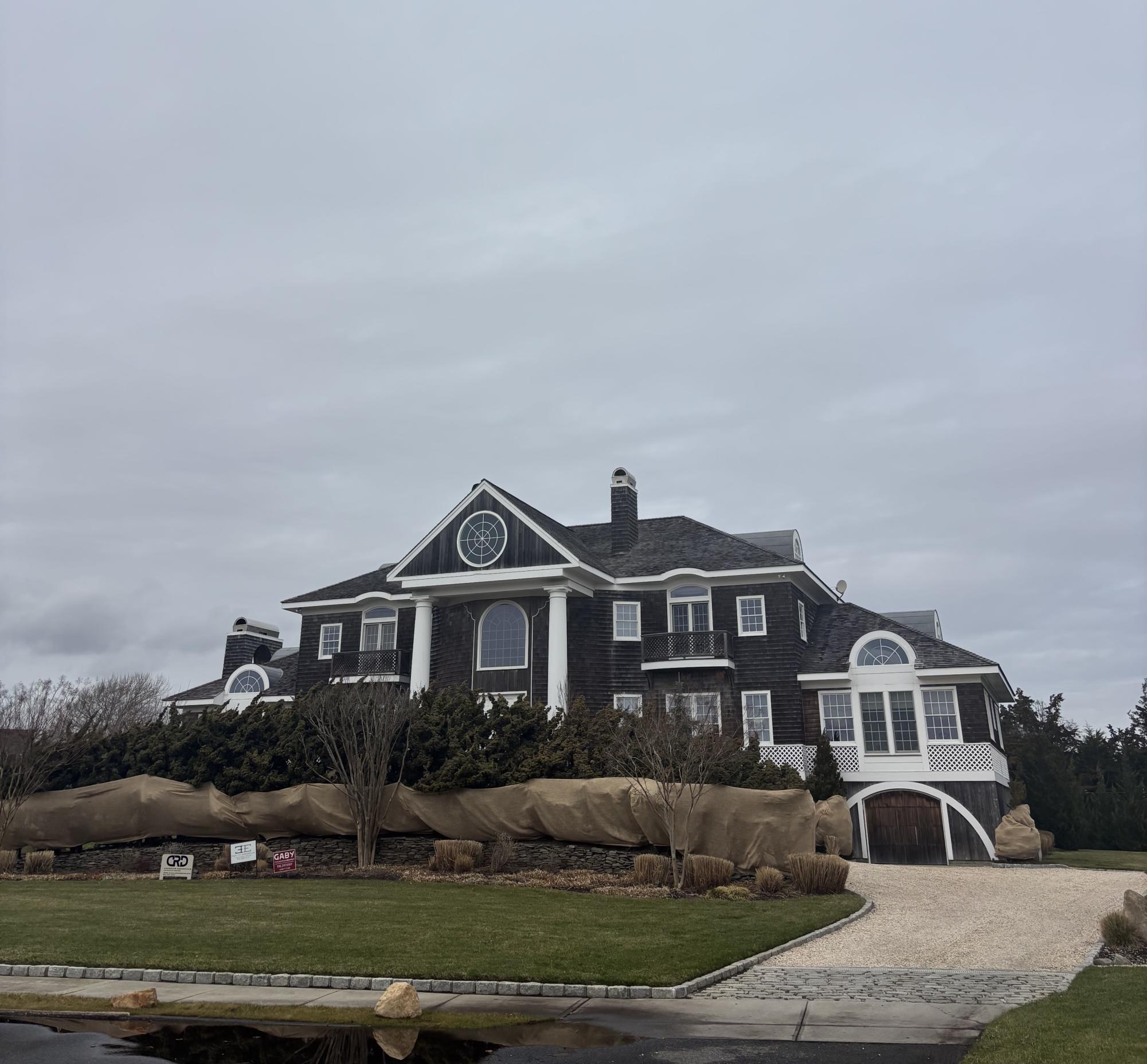
East Hampton and Southampton residents have been facing a housing crisis for decades. With single family homes priced firmly in seven figures, it is nearly impossible to afford for middle class families — let alone civil servants.
Over the last decade, the median sale price for homes on Long Island’s South Fork continues to rise. It is currently estimated at $2.05 million, according to Zillow. The starting price is estimated around $1 million for a single family home.
Civil servants include government workers, police officers, firefighters, and teachers in the area. Communities rely on these people to properly function, and anyone – from real estate agents to elected officials and small business owners – will say not having these workers in the area affects everyone.
Government employees, for example, make around $62,000-$125,000 per year, according to ZipRecruiter. According to a Newsday analysis of state records, public school teachers in Suffolk County make an average of nearly $117,000 per year – well below the monthly income required to be able to afford the median sale price in the South Fork.
Due to this, many people employed in the area make far commutes to just continue to work in the Hamptons.
“The local municipalities need to allow for more affordable units to be built in the East End towns,” said Michael Daly, a real estate agent in Sag Harbor and local resident since the 1960s. “The zoning codes have been written to exclude regular sized homes for households making under $200,000 a year.
“Seventy-four percent of households on the East End make under $200,000 a year,” he estimated. According to the latest American Community Survey by the US Census Bureau, the median household income for the town of East Hampton town is just shy of $129,000.
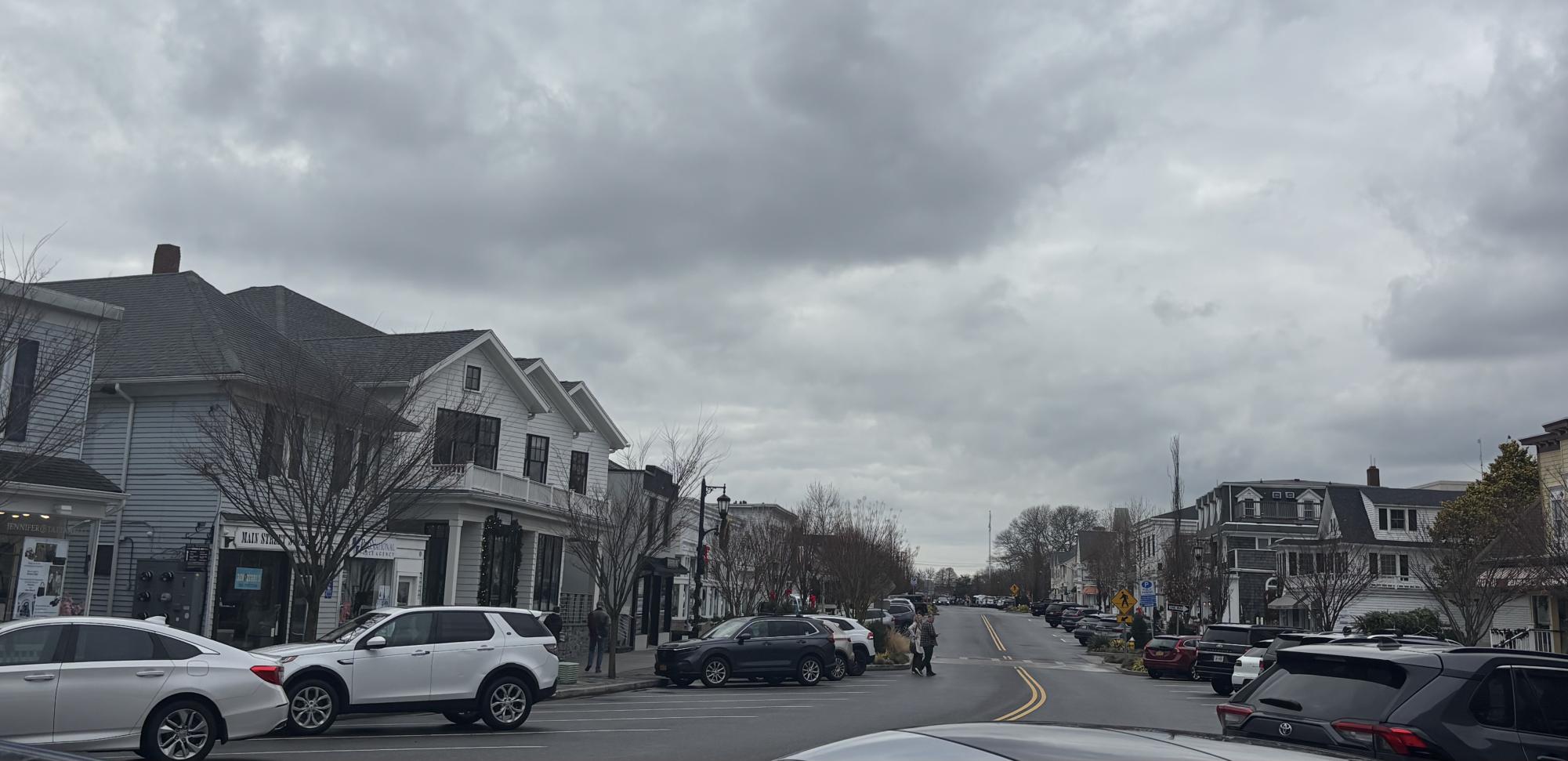
According to traffic data, the highways leading towards the South Fork and Hamptons area experience heavy traffic from 7 a.m. to 9 a.m., meaning people are likely commuting from out of town to work in the area.
Kirby Marcantonio, owner of Hampton Life magazine, has watched the Hamptons change over time. Like many of the small businesses in the area, he has seen his employees struggle to remain in the area due to lack of affordable housing.
He decided to create an initiative called Whalebone Workforce Housing. Their mission has been to create affordable units for only local workers.
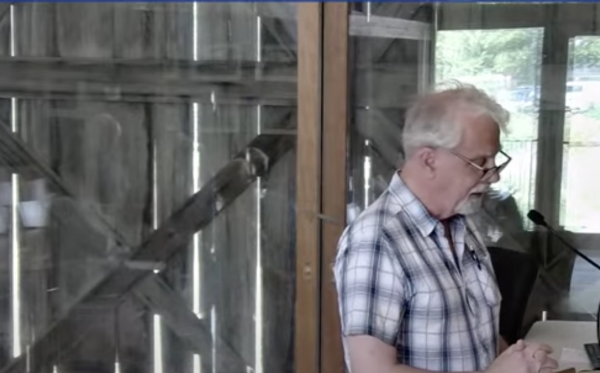
“The East End housing initiative is designed to advocate, promote, evaluate, and build more housing here,” Marcantonio explained during a town board meeting in August about changes to the town code that would expand affordable housing options.
Marcantonio has been working closely with the town for four years to loosen restrictions on affordable housing so that essential workers can remain local.
The company has multiple projects in the works. This year, they purchased four acres of land in East Hampton and plan to make it all affordable units for public servants in the East Hampton community. Conveniently, this property is located just half a mile from the East Hampton Town Hall, so government employees are able to get to work with ease.
The units will include one bedrooms, two bedrooms, and three bedrooms, all with full kitchens and bathrooms, to allow for any size household to live at an affordable rate.
The company website also mentions that they are waiting for the Town of East Hampton to change the language on affordable housing to include workforce housing, and that the town board has shown approval of the company’s mission.
“The minor revisions to the Codeare not controversial. What is needed is an increased density for affordable units from 8 units to 12 per acre. This has already been endorsed by the Town Board. In addition, the Town needs to approve regulations that allow employers to purchase units and lease them to their employees. It’s that simple.” – Whalebone Workforce Housing
The company argues that having affordable housing will not only help people stay local, it will clear up the highways from commuters, reduce illegal housing, and improve the local economy since people will be living and spending their money locally.
People who grew up in the area want to remain there, but they struggle to do so.
Jack Motz, 23, grew up in the Hamptons, following his parents’ footsteps into journalism and writing for The Express News Group newspapers. He has written on the affordability crisis and has seen it firsthand. “The [East Hampton] Town Board has been playing around with the town code to see what it can do on its end to loosen restrictions to spur on affordable housing development,” Motz said.
Since August, the board has taken steps to loosen restrictions on accessory dwelling units (ADUs), which are apartment-like structures built with a larger family home. “The proposed ADU laws wouldn’t set an income cap for ADUs, but they were being written in such a way to ensure the structures would serve people who contribute to the community in some way,” Motz said.
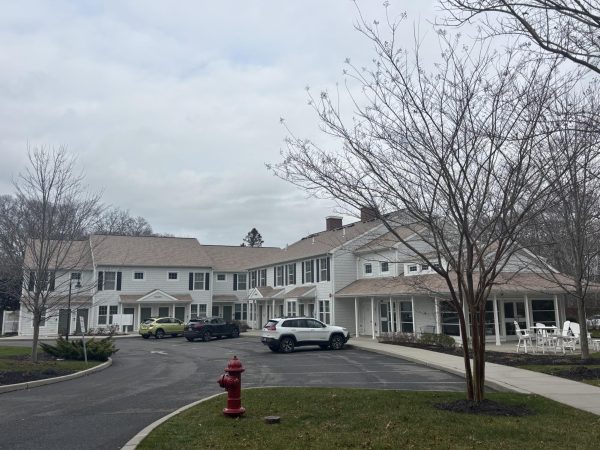
With these loosened restrictions, more affordable housing is being made available to those who work in the community. According to the town’s website, more than 530 affordable housing units have been made available since 2021.
The town plans on capping the income for these units to make them more attractive to the local public servants.
In addition, Whalebone is working on multiple projects, and they intend to ask the town to place restrictions on reselling the properties in order to maintain the affordable price.
The main restriction to all of this is the time it will take to make this happen, according to Whalebone’s website. It takes a lot to get the town board to change their zoning laws, but this private company may be getting things going.
Whalebone has to apply for permits for the sewage system that will need to serve an increase in housing density. The actual units have already been zoned for affordable housing, but wastewater treatment requires separate approvals.
That alone will take up two years to get approved and built, and then the construction of the units will begin. If all goes smoothly, within three years a number of workforce housing units will be for sale for East End workers only. In the meantime, the company is also working to build other smaller projects.
Kaitlyn Becker is a reporter with Stony Brook University’s School of Communication and Journalism’s Working Newsroom program for students and local media.